
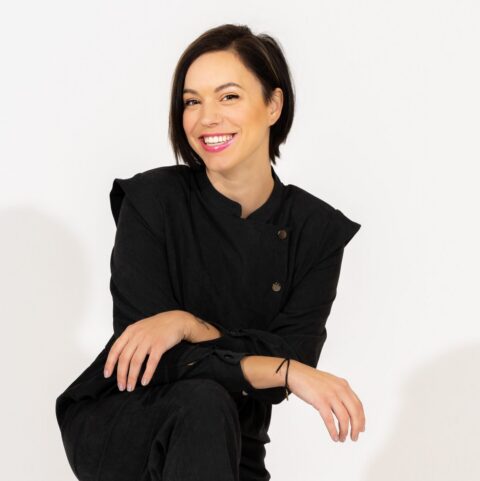
Describe your background and industry experience, and explain how it will help you contribute to the SOCAN Board of Directors?
I bring 27 years of experience as a Canadian in the music industry, beginning professionally at age 11 in my first band. That project evolved into Untamed, which achieved national radio success, toured across Canada and parts of the U.S., and was signed to CCA with distribution through Universal.
Our album was released in 2001. I wrote the title track, “Go All Out,” which became my first song registered with SOCAN and marked the beginning of my long-standing relationship with the organization.
That early foundation gave me a clear understanding of artist development, rights, and the long-term realities of sustaining a music career.
Today, I am a queer Canadian artist, songwriter, topliner, and DJ working across pop, electronic, and sync. My work spans television, film, advertising, and gaming, with placements across major global platforms and ongoing collaborations with leading publishers, sync agencies, and production houses. I operate multiple active projects: X. ARI (currently releasing my 12th EP), CHA$E 13 (releasing a 13-track debut album), and FEMFREQ (in partnership with Sony/Superpop, with our debut EP released and a second in post-production).
I am actively engaged in global songwriting ecosystems. I pitch to K-pop and create custom music for games and television through partners working with major studios, while maintaining a strong Canadian perspective.
Living with mental health challenges has shaped my work and advocacy. I use storytelling through music to help break stigma, and I extend that work through public speaking and alignment with non-profit initiatives that support creator wellbeing.
I contribute to the SOCAN Board in three key ways:
- A creator-first perspective, grounded in lived experience across multiple roles in the music ecosystem, with insight into how royalties, rights, and access affect working creators.
- A next-generation, globally informed viewpoint that brings real-world insight into how international markets, partnerships, and trends impact Canadian creators, informed by previous board experience in nonprofit and council settings.
- A commitment to transparency, equity, diversity, and inclusion, paired with active advocacy for underrepresented creators, including LGBTQ+ communities and those navigating mental health challenges.
In your opinion, what issues will be most important to SOCAN members over the next three years?
Over the next three years, SOCAN members will face both opportunity and disruption. Sustainability for writers, ensuring songwriting can fund careers without side hustles or financial instability, is critical. Streaming royalties continue to evolve, and technological shifts, including AI, create both efficiency and uncertainty around licensing and copyright. Creators need guidance and advocacy to use these tools effectively rather than see them as threats.
A major opportunity lies in expanding compensation models beyond traditional publishing and writer splits. Producers and performing artists often capture the largest share of revenue, yet the topline, the melody, lyrics, and hooks, is central to a song’s success. Advocating for writers to receive points or shares of the master, as leaders like Justin Tranter have done, would secure fair compensation and career sustainability. Normalizing master ownership for songwriters in the next three years will ensure creators are recognized for their contributions and have access to more lucrative opportunities.
SOCAN can play a key role in helping writers navigate these shifts, secure equitable rights, and thrive in a rapidly changing ecosystem. This will ensure songwriting remains both a creative pursuit and a viable career.