
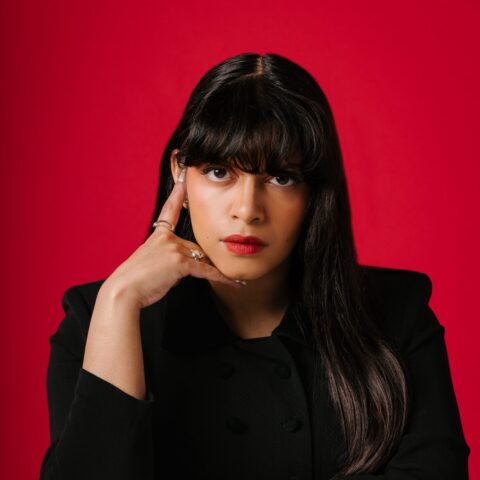
Describe your background and industry experience, and explain how it will help you contribute to the SOCAN Board of Directors?
Born in India, raised in Calgary, and now Toronto-based, I am a songwriter, artist, and music industry professional. My work is multifaceted, spanning creation, artist development, and cultural leadership. As one half of the experimental hip-hop duo Cartel Madras (Sub Pop Records/Royal Mountain), I’ve spent the past several years releasing music, touring internationally, and navigating the realities of being a working songwriter in today’s global music landscape.
Alongside my work as an artist, I’m the Marketing Manager and part of the A&R team at Birthday Cake Records. In that role, I support a diverse roster of artists in building sustainable careers through thoughtful development, strategic releases, and international opportunities. My work regularly intersects with publishing, rights management, and royalty distribution. I also mentor emerging artists and actively advocate for underrepresented voices in the arts, working to help create space for new perspectives while championing artistic excellence.
In 2018 I co-founded FOREIGNERZ Art and Production House, a multidisciplinary media company focused on boundary-pushing work across music, film, and live performance. Through this work, I collaborate with artists and organizations across Canada and internationally and stay closely connected to the independent music community.
If elected to the SOCAN Board, I would bring a unique and fresh perspective that takes into consideration Canada’s many voices and rare position in the global music landscape. I care deeply about ensuring artists are represented and fairly compensated with improved transparency. I would love the opportunity to help SOCAN continue to evolve in ways that support the next generation of Canadian songwriters.
In your opinion, what issues will be most important to SOCAN members over the next three years?
Streaming continues to reshape how songwriters earn a living. As digital platforms adjust their payment structures and consolidate power in the marketplace, ensuring transparency and fair compensation for creators will remain a central concern. SOCAN has an important role to play in advocating for policies and systems that protect the value of songwriting in a streaming-dominated industry.
At the same time, the rapid rise of generative AI raises urgent questions around copyright, consent, and the use of creators’ work in training datasets. Songwriters deserve clarity and protection as these technologies develop, and rights organizations like SOCAN will be key voices in those conversations.
Finally, as the industry evolves, it’s essential that independent and emerging creators feel represented in the decisions shaping their livelihoods. SOCAN’s strength comes from its diverse membership, and ensuring that the next generation of songwriters understands, trusts, and participates in the organization will be critical.