
Describe your background and industry experience, and explain how it will help you contribute to the SOCAN Board of Directors?
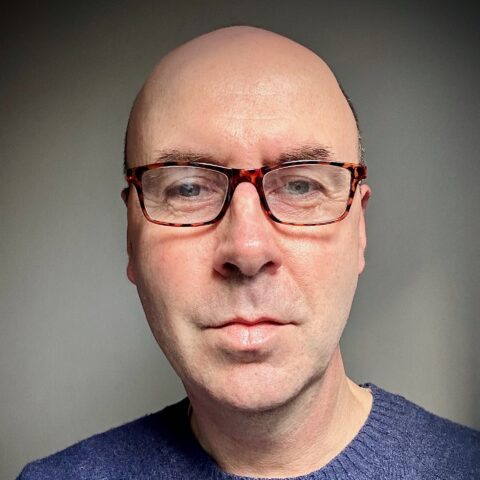
I’m a songwriter, artist, screen composer and music supervisor. I currently serve as President of the Screen Composers Guild of Canada (SCGC). I’m also a founding member of the Guild of Music Supervisors Canada.
After studying law and receiving my call to the Ontario bar in 2001, I followed my dream of building a career in Canada’s music and audiovisual industries. I began as a songwriter, artist, and producer. My experience also includes working at independent Canadian labels and music publishers.
I founded my music supervision and composing business in 2004 and have since composed or supervised the music on 100+ episodes of television, feature films and television movies, receiving multiple Canadian Screen Award nominations for my composing work and multiple Canadian Sync Award nominations for my supervision work. I have also received numerous song placements in film, TV and advertising projects.
I’ve taught emerging audiovisual composers at Sheridan College about the business of music and was a regular contributor to the Canadian Films Centre’s Slaight music residency, providing participants with insights into composer agreements, music rights, royalties and union issues.
As a passionate advocate for Canadian music creators, I’ve been intimately involved in the ongoing regulatory processes to implement Canada’s revised Broadcasting Act, providing input into the ACCORD group’s joint submissions, and appearing at public hearings before the CRTC on SCGC’s behalf. I’ve also been involved in authoring submissions to the Canadian government on copyright and Generative AI policy.
I currently serve as a board member of the Coalition for the Diversity of Cultural Expression (CDCE), where I regularly contribute to policy development as a member of its copyright and AI committees.
I believe my experience positions me well to make a positive contribution to the governance and direction of SOCAN for the benefit of all members.
In your opinion, what issues will be most important to SOCAN members over the next three years?
Music creators and their collective societies face a rapidly evolving landscape. As threats and opportunities arise, SOCAN must continue to uphold the principles underlying creator rights and remuneration as well as the integrity of international frameworks.
SOCAN should strive for the greatest transparency and accountability in its royalty distributions and lead the charge for commensurate standards internationally. It should also continue to expand its reproduction rights licenses with traditional and online broadcasters serving Canadians.
Regarding generative AI, SOCAN must continue to make the case to government that the creator rights of its members must be respected by AI music platforms, championing the principles of credit, consent and compensation; collective licensing solutions; respect for Canadian copyright law; transparency; and, most importantly, fair and equitable remuneration for music authors who consent to the use of their works by AI platforms.
At the same time, SOCAN must work to ensure that streaming royalties are not only equitable, but also that the rightful revenues of human creators from streaming platforms are not diluted or diverted by the growing influx of purely GenAI outputs. This will require SOCAN and its international partners to find or develop new solutions to ensure the integrity of work registrations.